Cielo
Cielo
Key Takeaways
- Setting your HVAC fan to ‘Auto’ means it only runs during heating or cooling cycles, conserving energy.
- The ‘On’ mode keeps the fan running continuously, ensuring consistent air circulation and improved air quality, but leads to higher bills.
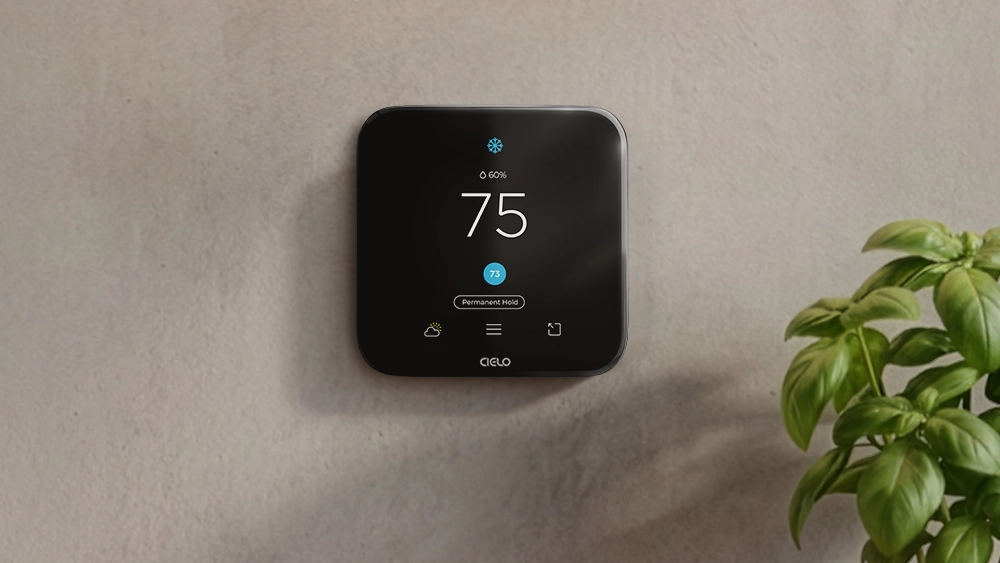
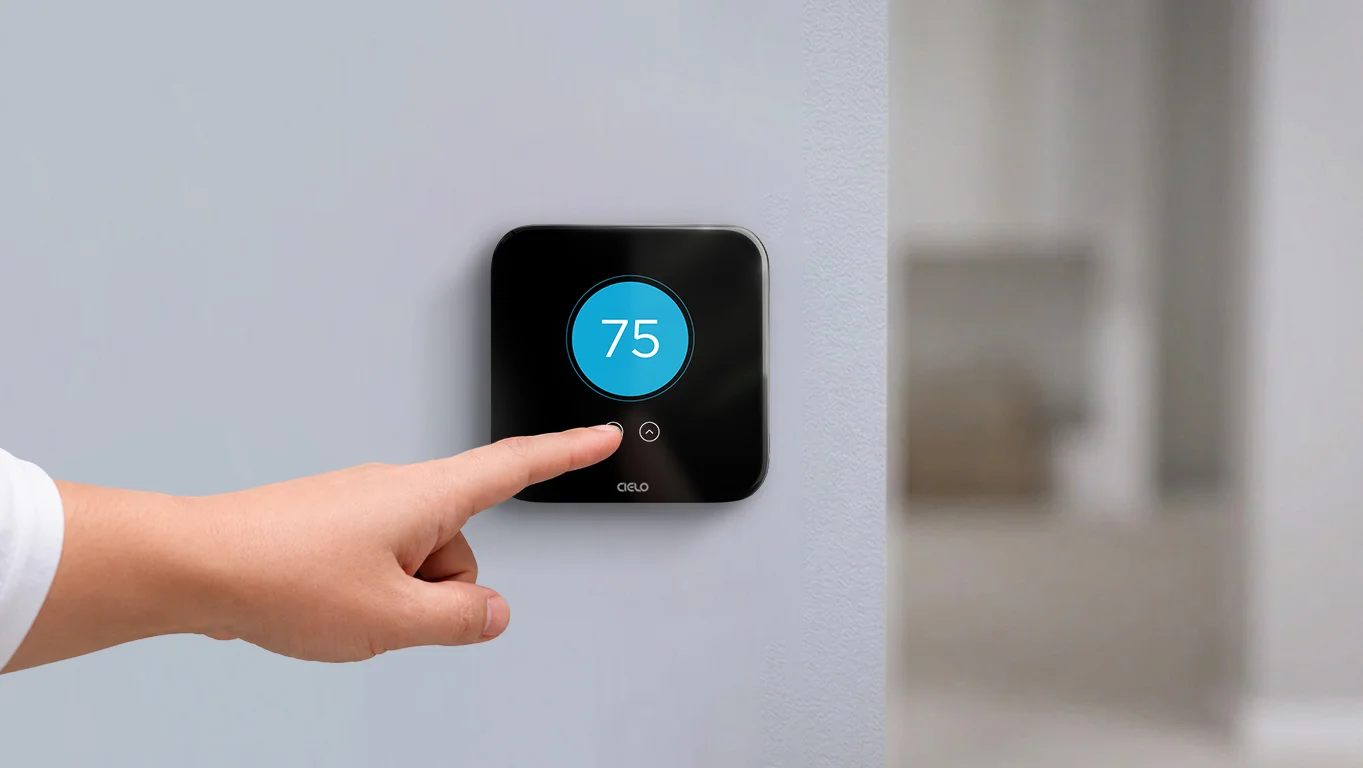
- Smart thermostats offer customizable fan settings, allowing you to set fan operation based on your requirements.
Have you ever felt like you have stepped out on the sands of Sahara from a cool breezy beach while moving from one corner of your house to the other? If the answer is yes, you need to get your HVAC fan running to eliminate this temperature discrepancy.
Your heating, ventilation, and air conditioning systems come equipped with a fan that you can control with your thermostat. HVAC blower fans are used to circulate air in a room and remove hot and cold spots until the temperature set on your thermostat is achieved.
These fans have two working modes, Auto and On, and there is always this huge debate about which one works best. However, both these modes have their advantages and disadvantages, and there is no exact answer to whether you should keep your AC fan On or Auto. Moreover, the latest smart thermostats also allow for custom fan settings!
Read on to learn which HVAC fan setting fits your needs best.
HVAC Fan Modes – Auto & On
HVAC fans provide ventilation, help maintain indoor air quality and increase thermal comfort. Let’s dig into the details of Auto and On mode, how each of them works, and which one you should choose.
What Does the ‘On’ Fan Mode Mean?
The On mode keeps your HVAC fan running continuously until you change the setting. This means the system’s blower continues circulating air even when the AC or heating system is not actively running.
When the system is heating or cooling, the fan distributes the conditioned air throughout your home. When there is no active heating or cooling cycle, the fan continues to circulate the existing indoor air.
Running your HVAC fan continuously has several potential benefits, but it also comes with some drawbacks.
Pros of Using the “On” Fan Mode
1. Better Air Circulation
A continuously running fan helps circulate air throughout your home and can reduce hot and cold spots.
Because hot air rises, it can accumulate on upper floors, making them warmer than lower levels. Keeping the fan running helps circulate air between floors and improves temperature consistency in multi-story homes.
2. Less Starting and Stopping of the Fan
With the fan running continuously, the blower does not have to repeatedly start and stop. This reduces the number of fan start-up cycles.
3. Fresher Indoor Air
During mild weather in spring and fall, your heating and cooling system may remain off for extended periods. Running the fan keeps air moving throughout the home and helps prevent it from feeling stagnant or stuffy.
4. Better Air Filtration
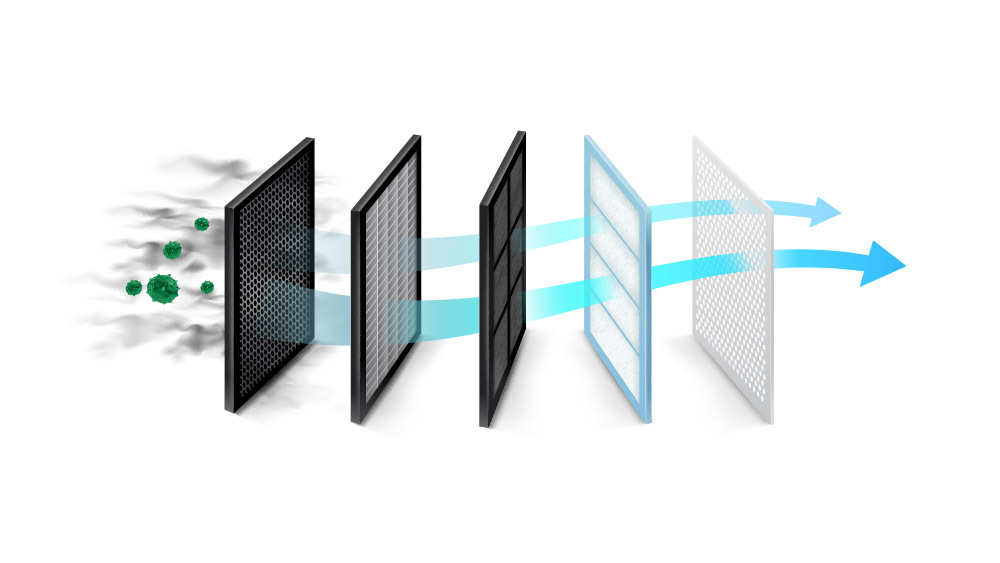
When the fan runs continuously, more air passes through your HVAC filter. This can help capture airborne particles such as dust, pollen, bacteria, and mold.
Filtration effectiveness depends on the type and condition of your filter. Filters with higher MERV ratings can capture smaller particles, but they also need proper maintenance and replacement as recommended.
5. Cool Breeze in Summer
Running the fan can create a gentle airflow throughout your home, similar to the air movement you get from a ceiling fan. This can make the space feel more comfortable even when the AC is between cooling cycles.
Cons of Using the “On” Fan Mode
1. Higher Energy Use
Running the blower fan continuously uses more electricity than running it only when heating or cooling is required. The actual energy use depends on your HVAC system and its efficiency.
2. More Frequent Filter Changes
Because air continuously passes through the filter, it can collect dust and other particles more quickly. This requires replacing the filter more frequently.
3. Extra Strain on AC
If your ductwork runs through a hot attic or near exterior walls, continuous fan operation can circulate warmer air from those areas through your home. This can make it harder for the AC to maintain your desired temperature.
4. Cold Air Circulation in Winter
Running the fan when the heating system is not actively heating can create noticeable airflow from the vents. The windchill effect from fan circulation can make you feel colder.
5. Less Effective Humidity Control
During cooling, moisture condenses on the evaporator coil and is removed from the home through the condensate system. If the fan continues running after the cooling cycle ends, some of the moisture remaining on the coil can evaporate back into the indoor air.
As a result, continuous fan operation can make humidity removal less effective.
What Is Meant by the ‘Auto’ Mode?
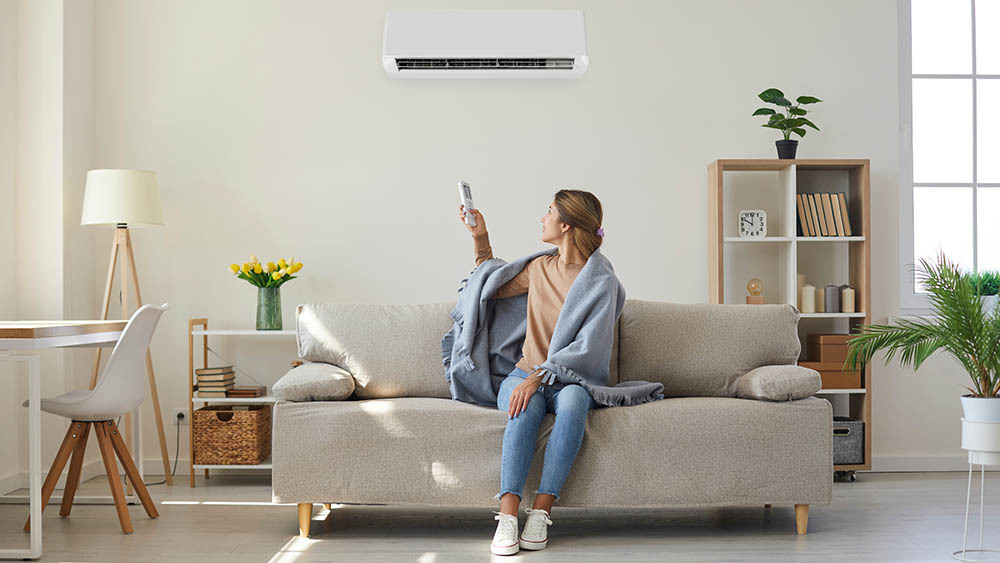
Setting your HVAC system fan to “Auto” means running it only when the system is heating or cooling. For example, after your thermostat reaches the required temperature, the system turns off, including your AC’s fan.
Pros of Using an HVAC Fan’s ‘Auto’ Feature
1. More Energy Efficiency
Running your AC fan on the Auto setting means it will only run when the system is cooling or heating. So, the fan runs for the minimum period possible. It is thus more energy efficient to set your fan on Auto than continuously running the fan. As a result, you get lower energy bills.
2. Better Dehumidification
Since the HVAC fan shuts off in Auto mode as soon as cooling stops, moisture droplets on condensation coils can easily drip down into the drain pan located beneath these coils. From there, moisture is effectively discarded outside the house. This helps you achieve perfect humidity levels in your home.
Cons of Using the ‘Auto’ Feature
Although this mode provides better humidity control and saves money, a few things might cause a problem for you.
1. Uneven Temperature
Lack of circulation after the system shuts down means hot air will continue to rise, and cold air will stay in the lower part of the room, causing uneven temperature.
2. Quicker Wear Out
Setting your HVAC blower to Auto mode will cause the fan motor to turn on and off frequently. This will cause the fan motor to wear out soon and cut its life short.
Verdict on AC Fan Mode: ‘On’ or ‘Auto’?
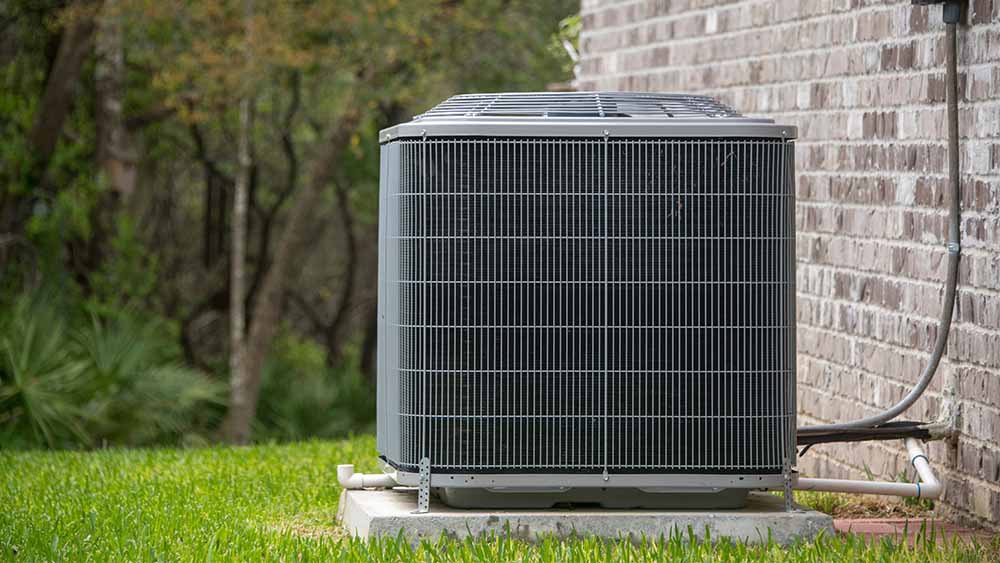
There is no definite answer to questions like “how long should my HVAC fan run per hour?” or “Should my fan be on “Auto” or “On”?”.
Running the fan frequently or setting the AC fan to “On” or “Auto” is a personal choice as both these modes have some advantages and disadvantages.
However, the only factor that matters here is the humidity levels of the area you live in. If you live in an area where humidity levels are high, setting your HVAC fan to “On” can lead to inefficient humidity removal and cause mold growth. In such regions running the AC fan on “Auto” is safe.
However, some options can help you eliminate the disadvantages while you make the most of the advantages!
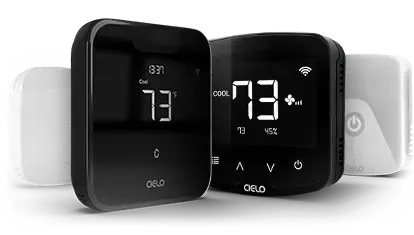
- Smart Thermostat: Using smart thermostats, you can also set custom timers to run your fan only at required settings. You can choose how long your AC fan will run every hour, irrespective of the heating or cooling cycles.
- Variable Speed Technology: Incorporating variable-speed fan motor technology into your HVAC is another great option. A variable-speed fan motor operates at different speeds to regularize your home’s airflow in the best possible way.
With variable speed technology, the AC fan runs continuously to circulate the air, but because your system has the ability to run at lower capacities, it is energy efficient. It means your energy bills won’t be skyrocketing because of your AC fan, and the system won’t have to turn on and off repeatedly. This system thus provides better humidity control, long fan motor life, even temperature, and continuous filtration.
Your best choice to make any mini-split, window,
or portable AC smart. Enhance your comfort and savings.
Frequently Asked HVAC Fan Questions
All air conditioner components are subject to wear and tear over time, and several issues can occur when switch on your AC fan. There might be questions you have in mind about how long or when the fan should be running. Here are the answers to the most asked questions.
Why Your HVAC Fan is Not Working?
If your air conditioner is on, but your fan is not working, the reason behind it could be:
- Dead Capacitor
A capacitor is a cylinder-shaped small component of an air conditioner that stores electrical energy and provides it to the system when required. There are several capacitors in an air conditioner. If the capacitor responsible for sending energy to the fan motor is dead, the HVAC fan does not turn on. Therefore, you would need to get it replaced.
- Power Issues
Sometimes, because of overheating, the circuit breaker can get tripped. This results in your HVAC fan not working. Simply flipping the switch at the circuit breaker will fix this issue.
- Burnt-out Motor
Fan motors can get overworked, and when paired with a lack of maintenance, the motors wear out and stop working. These are expensive to repair and should be replaced by a professional.
- Air Filter Blockage
If not cleaned and replaced periodically, the air filters can get blocked. The blockage puts more stress on the fan, causing it to shut down. Keeping the filters clean can solve this problem.
- Dysfunctional Contactor
This part of an HVAC unit controls the electricity flow throughout the air conditioning unit. Sometimes these contractors wear out with time and eventually burn out. This can result in your HVAC fan not working. Proper maintenance is required to keep contractors in good working condition, but getting it repaired by an HVAC professional is your only option if it is worn out.
Do HVAC Fan’s Bring in Outside Air?
No, the AC blower fan does not bring in fresh outside air generally. It circulates the air already present in a room to improve the airflow and remove hot and cold spots.
Does the Fan Always Run When the Heat Is On?
If you have set your fan on Auto mode, it will turn on when the system turns on for heating or cooling. On the other hand, if the fan is set to On mode, the HVAC fan won’t turn off even when your AC is not cooling or heating.
Is It OK to Run the HVAC Fan Continuously?
Yes, It is completely safe and possible to leave your HVAC fan on continuously. It will help circulate the air and keep the air clean as the air frequently passes through the air filters of the AC unit.
How Much Does It Cost to Run an HVAC Fan?
An average fan motor is 500 watts, and if it is run 24/7 for a month, it uses 360,000 watts hours or 360-kilowatt hours (kWh). One kWh costs around $0.12 in the US. So, it will add up to $43.2 per month and about $518 per year.
HVAC Fan Speed Too High: What Should You Do?
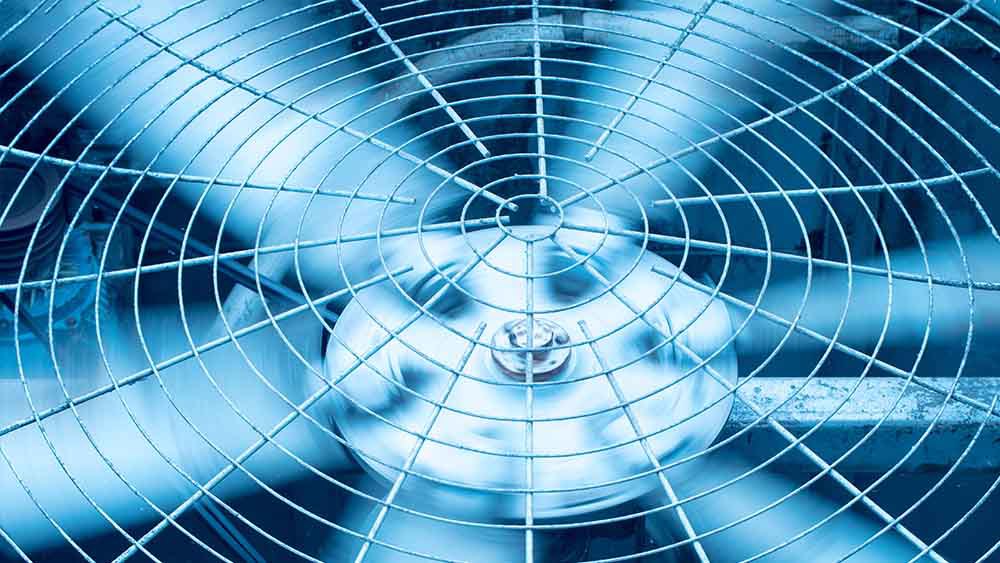
If your HVAC fan speed seems too high, it can cause issues with the system. In this case, here’s what you need to do:
- Turn off the power of the system.
- Next, use your unit’s manual to locate the pulley, blower motor, and set screw of the system.
- First, you need to loosen the screw, move the pully in the anti-clockwise direction, and set the screws back.
Take Away
HVAC fans are essential for adequate ventilation and air circulation in your home. You can choose to set your HVAC blower fan to On mode if you want to get rid of hot spots and stale air effectively. On the other hand, if saving money and efficient humidity removal from your space is essential, Auto mode is more suitable for you. Irrespective of the fan mode you choose, do not forget to do proper maintenance of your HVAC system for it to work properly.